
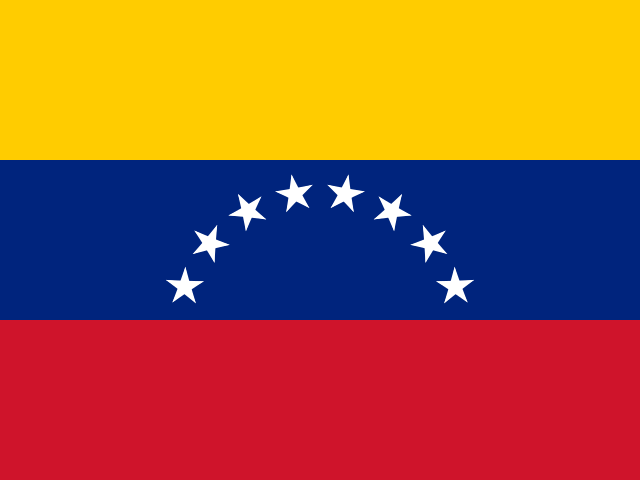
Venezuela
Venezuela, officially known as the Bolivarian Republic of Venezuela, is a federal republic located on the northern coast of South America.

Overview
VERIFIED 17 SEP 2026Venezuela, officially known as the Bolivarian Republic of Venezuela, is a federal republic located on the northern coast of South America. Bordered by Colombia, Brazil, and Guyana, it possesses a highly strategic geographical footprint alongside extensive Caribbean coastlines. The country is globally distinct for holding the world’s largest proven crude oil reserves, estimated at roughly 303 billion barrels. Historically, this massive resource base has positioned the state-owned petroleum giant, Petróleos de Venezuela, S.A. (PdVSA), as the absolute backbone of the domestic economy. However, despite its vast resource wealth, the country continues to struggle with intense macro-economic volatility, fragile infrastructure, and deep-seated systemic challenges.
In the governance domain, Venezuela faces an exceptionally complex and fluid environment. Following the removal of former President Nicolás Maduro from power in January 2026, the political landscape experienced sudden disruption. The Supreme Tribunal of Justice swore in Vice President Delcy Rodríguez as acting president, though institutional continuity remains fragile, and the rule of law is heavily tested. Despite shifts at the very top, power structures have largely stayed concentrated among legacy figures tied to the established administrative system. For foreign organizations, operational challenges are compounded by a highly politicized judiciary, severe lack of regulatory transparency, and widespread corruption pressures across public institutions and customs frameworks. Furthermore, security risks persist due to the presence of irregular armed groups controlling lucrative mineral-rich sectors.
From a sanctions and risk compliance perspective, Venezuela remains one of the most tightly restricted jurisdictions globally, demanding comprehensive due diligence. While the United States has not fully normalized relations or dismantled its foundational sanctions framework, the U.S. Department of the Treasury’s Office of Foreign Assets Control (OFAC) manages the landscape through highly conditional General Licenses. Evolving directives, such as General License 46, selectively authorize established U.S. companies to engage in Venezuelan-origin oil and petrochemical transactions under rigid reporting constraints and strict, state-managed payment channels. Concurrently, jurisdictions like the European Union, United Kingdom, and Canada maintain targeted asset freezes, travel bans, and strict arms embargoes against specified officials and entities.
Because Venezuela is not comprehensively embargoed like Iran but is heavily regulated via list-based sanctions, compliance teams face distinct operational hurdles. Financial institutions must strictly navigate anti-money laundering (AML) and counter-terrorism financing vulnerabilities. Furthermore, due to opaque corporate ownership structures, companies face significant legal and reputational exposure regarding indirect touchpoints with Specially Designated Nationals (SDNs) or politically exposed persons (PEPs). Even with minor regulatory relief—such as temporary FinCEN enforcement policies following regional natural disasters—commercial entry requires rigorous, continuous screening to mitigate sudden regulatory shifts or asset vulnerabilities.